
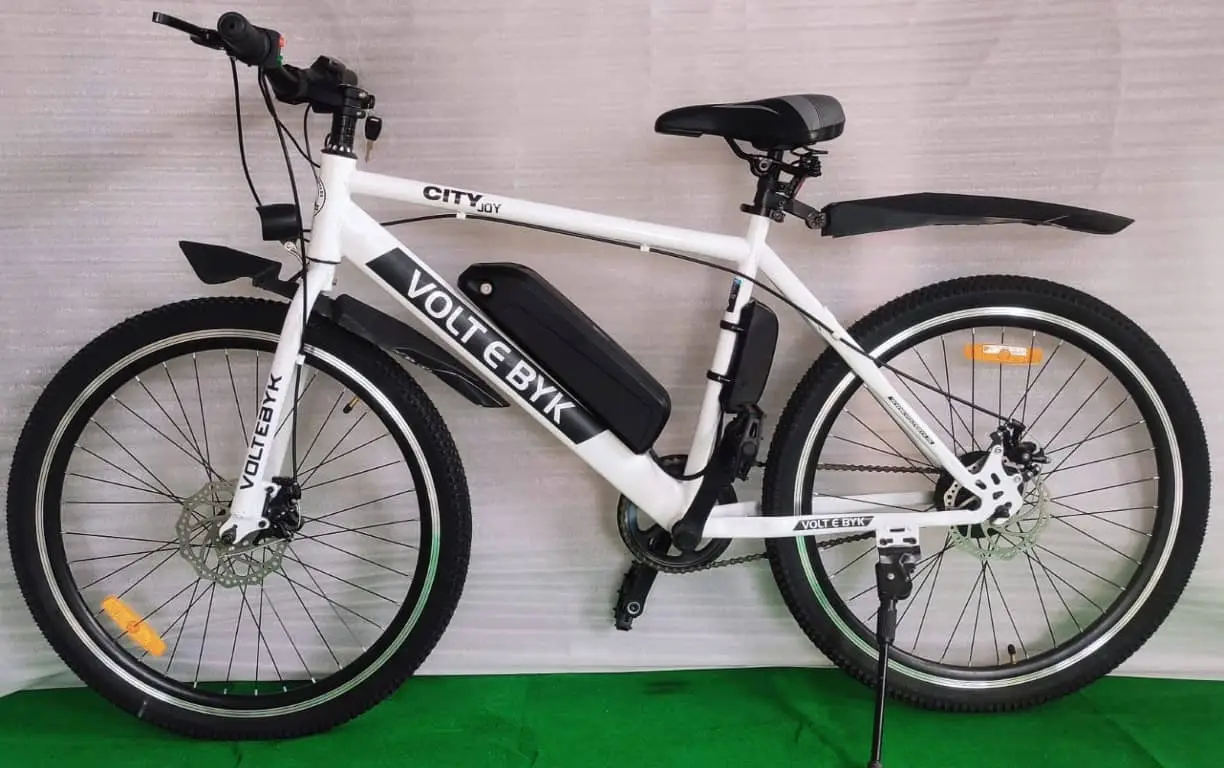
In today’s fast-paced world, the way we commute is changing. More people are searching for eco-friendly, affordable, and practical alternatives to cars and motorbikes. Enter the electric cycle – a perfect blend of traditional cycling and modern technology that’s transforming urban mobility.
What is an Electric Cycle?
An electric cycle (often called an e-cycle or e-bike) looks almost identical to a regular bicycle but comes equipped with a battery-powered motor. This motor assists your pedaling, making it easier to ride longer distances, climb steep roads, or commute without arriving drenched in sweat. You still get the exercise benefits of cycling – but with a helpful boost whenever you need it.
Benefits of Electric Cycles
1. Eco-Friendly Travel
Electric cycles produce zero emissions, making them one of the cleanest modes of transport. By choosing an e-cycle over a petrol scooter or car, you’re directly contributing to reducing urban pollution.
2. Cost-Effective
With rising fuel prices, e-cycles are a relief for the wallet. Charging a battery costs only a fraction of what you’d spend on petrol or diesel. Plus, maintenance is much simpler compared to motor vehicles.
3. Health and Fitness
Unlike scooters, an e-cycle still requires pedaling. You can choose between pedal-assist (where the motor helps you) or ride it like a traditional cycle. This means you stay active while enjoying an easier commute.
4. Traffic-Friendly
We’ve all been stuck in endless traffic jams. E-cycles are slim, easy to maneuver, and perfect for weaving through congested city streets. You’ll often reach your destination faster than cars.
5. Accessible to All
One of the biggest advantages is inclusivity. Older adults, beginners, or those with mild health issues can ride comfortably with motor assistance, making cycling enjoyable for everyone.
Things to Consider Before Buying
-
Battery Range: How far can it go on a single charge? Most e-cycles offer 25–70 km range.
-
Charging Time: Typically 3–6 hours.
-
Motor Power: Measured in watts, it affects how much boost you get.
-
Build Quality: Good suspension, brakes, and frame strength are crucial.
-
Local Regulations: In many places, e-cycles don’t require a license, but check your city’s rules.
The Road Ahead
With governments pushing for sustainable transportation, many Indian cities are setting up dedicated cycling tracks and encouraging e-bike adoption. Brands are also coming up with sleek designs, longer battery life, and affordable price points.
It’s clear that electric cycles aren’t just a passing trend – they’re the future of urban commuting. Whether you’re a student, office-goer, or fitness enthusiast, switching to an e-cycle can save money, keep you healthy, and help the planet.